 Foundation to Function
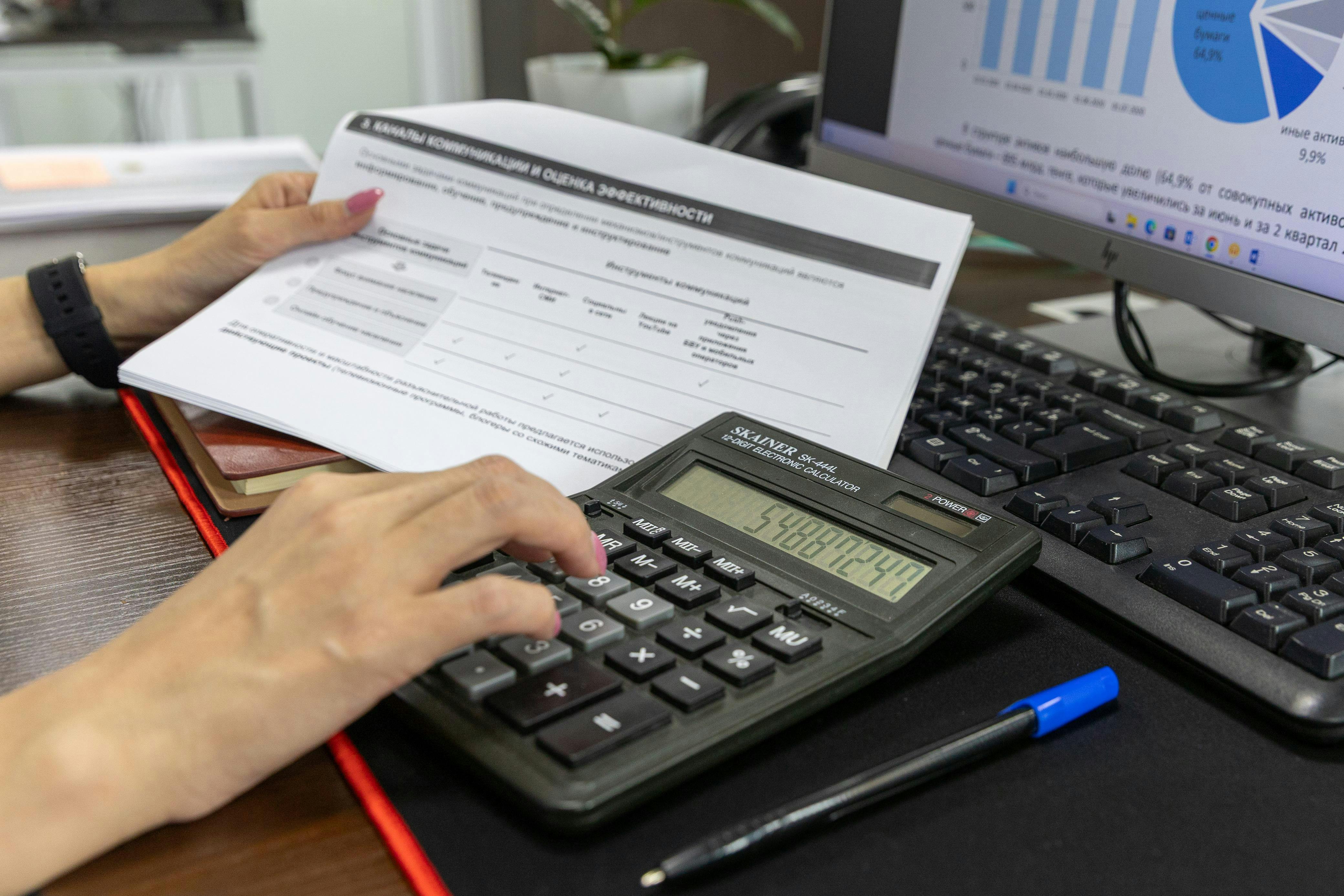
The business problem
Accounting software cannot repair an incoherent chart of accounts or an undefined approval workflow. A company may issue invoices quickly yet still struggle to explain who approved discounts or why the bank balance differs. Agree on the full order-to-cash and expense-to-payment process before switching on the system.
Warning signs
Define the legal entities, functional currency, foreign currencies and owners of customer and supplier records. Then design only the account groups that serve reporting: income, direct costs, operating expenses, taxes, bank accounts and advances. Too many accounts make reporting noisy; too few hide business decisions.
A practical implementation plan
Map invoice issuance, credit notes, purchases and expense approvals. Set discount limits and distinguish recording from approving transactions when segregation is practical. Establish standard customer details, tax treatments and payment terms before the first import rather than correcting invoices afterward.
- Review currencies and taxes with the accountant.
- Approve a reporting-focused chart of accounts.
- Test invoices, credits and partial collection.
- Complete bank reconciliation before launch.

Related perspective: CRM Is Not a Contact Book: Design Real Sales Stages
An SME example
Consider a services firm billing in dollars and spending in Egyptian pounds. Inconsistent exchange-rate dates or unreconciled settlements may distort reported margin. Test one foreign-currency invoice, partial receipt and bank charge, then inspect how exchange differences appear in the books.
- 01The business problem
- 02A practical implementation plan
- 03How to measure results
How to measure results
Measure corrected invoices, days to close the month, overdue receivables and unmatched bank transactions. Every report should have an owner who makes a decision using it. A dashboard that nobody acts upon is administrative overhead rather than control.
Mistakes to avoid
Avoid giving one user unrestricted rights to create, pay and delete transactions. Do not import opening balances without reconciliation, or redesign account classifications midyear without an audit trail. Tax defaults must be checked for each jurisdiction and business model with a qualified accountant.
Check before you decide
- Review currencies and taxes with the accountant.
- Approve a reporting-focused chart of accounts.
- Test invoices, credits and partial collection.
- Complete bank reconciliation before launch.
Your next action
Prepare a two-page accounting setup brief containing the chart of accounts, invoice rules, approval thresholds and month-end reconciliation steps. Have finance and management test ten representative transactions. Move balances and activate the team only after the results reconcile.