 Foundation to Function
The business problem
An ERP system does not automatically repair bad data. Duplicate products, inconsistent units, and unreconciled customer balances enter the new platform as existing problems, now at greater speed and scale.
Warning signs
Look for multiple spreadsheets describing the same products, repeated codes, missing tax fields, inconsistent supplier names, or finance and warehouse teams disagreeing about balances. These are data ownership problems long before they are import problems.
A practical implementation plan
Separate customers, suppliers, items, prices, inventory, and opening balances into controlled data sets. Assign an owner to each, define cleanup and validation rules, map old fields to the new platform, and agree a final extraction cutoff.
- Inventory each data set and its owner.
- Clean duplicates, units, and mandatory fields.
- Rehearse migration and reconcile balances.
- Define go-live authorization and rollback.

Related perspective: CRM Is Not a Contact Book: Design Real Sales Stages
An SME example
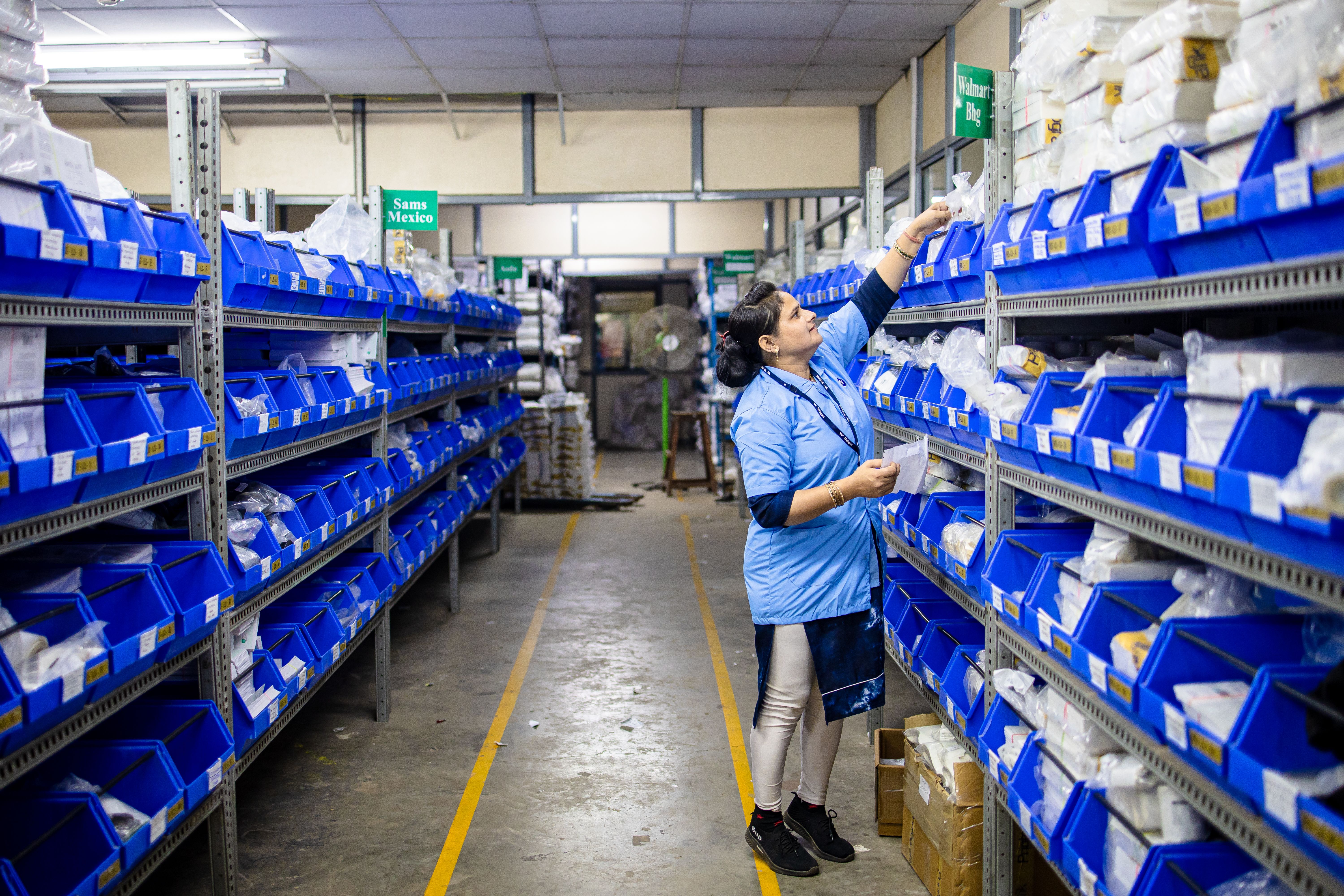
Imagine a distributor with 3,000 SKUs discovering that 400 have duplicates or invalid units of measure. Loading those records would disrupt purchasing, invoicing, and inventory. A representative sample migration catches the problem before it affects every live transaction.
- 01The business problem
- 02A practical implementation plan
- 03How to measure results
How to measure results
Track successful imports, balance reconciliation, rejected records, and issue closure time. Finance and warehouse owners should sign documented reconciliations before the business is allowed to operate on migrated data.
Mistakes to avoid
Dangerous shortcuts include importing test records into production, asking the vendor alone to interpret business data, allowing source files to change mid-migration, and launching without backups or rollback criteria.
Check before you decide
- Inventory each data set and its owner.
- Clean duplicates, units, and mandatory fields.
- Rehearse migration and reconcile balances.
- Define go-live authorization and rollback.
Your next action
Run a full rehearsal in a test environment, record results, fix exceptions, and repeat until acceptance criteria are met. Go-live needs an explicit go/no-go decision, named owners on standby, and a rollback plan if critical reconciliations fail.