 Foundation to Function

Speed is not the same as better operations
When an approval takes two days, the instinct may be to add automated reminders. If the delay comes from missing decision rights or contradictory data, reminders arrive faster while the request remains stuck.
Automation faithfully executes the rules you give it. It cannot invent clear accountability or repair an absent policy.
The root cause usually predates the tool
Weak workflows contain incomplete inputs, multiple versions of the same information, and exceptions nobody owns. Turning them directly into digital steps reproduces those weaknesses at higher volume.
Before writing an integration, ask why each step exists and who uses its output.
Decide whether the process is stable enough
Use four checks: is there an accountable owner, trustworthy input data, rules that can be explained consistently, and a safe way to stop or reverse mistakes? If not, redesign the process first.
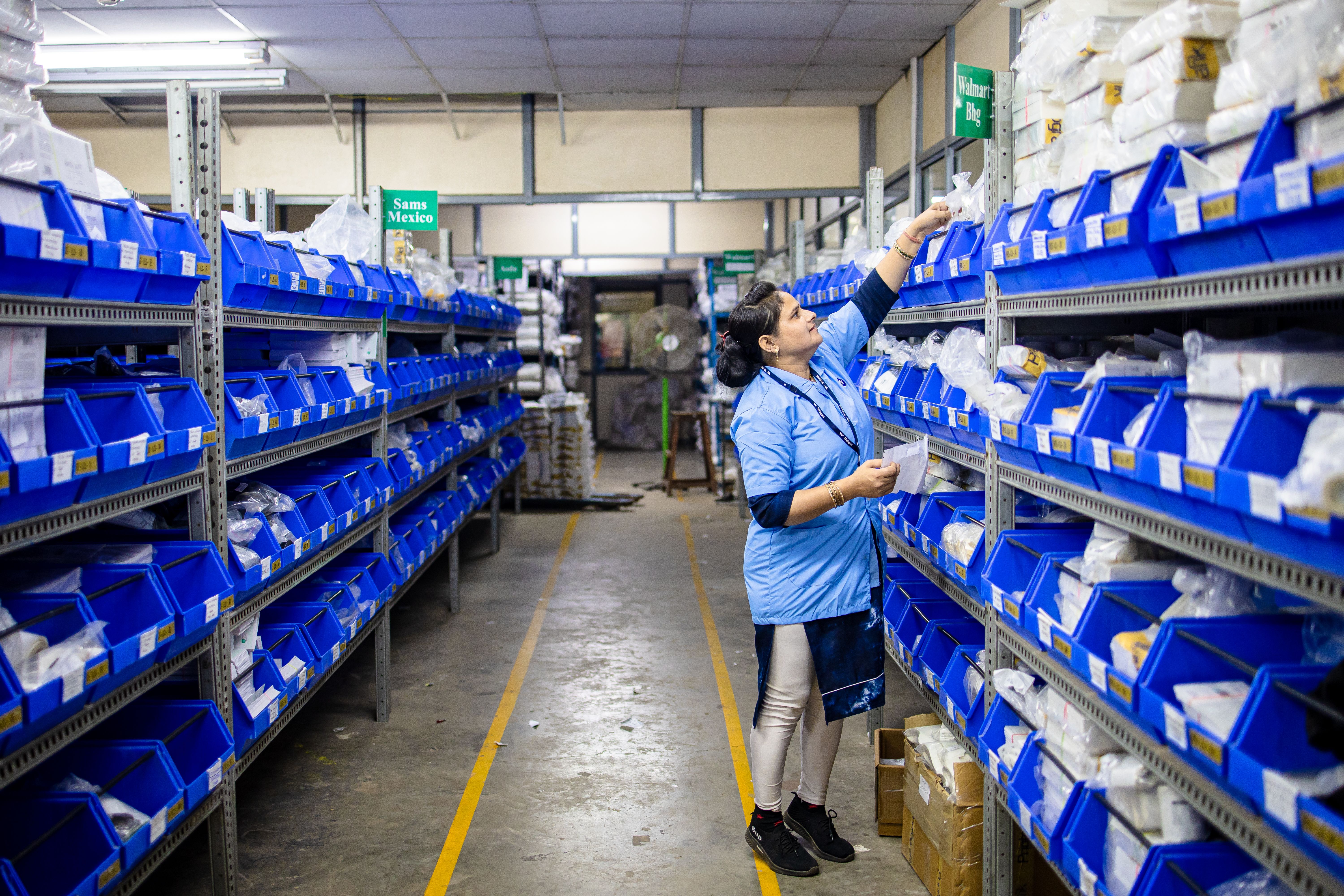
Photo source: Pexels.
- Stable repetitive steps are automation candidates.
- Judgment-heavy decisions need explicit human review.
- High-impact exceptions should stop and escalate.
Related perspective: CRM Is Not a Contact Book: Design Real Sales Stages
Run the process manually before automating it
Map the real path from request to closure. Remove steps that add neither value nor necessary control, standardize required fields, and agree ownership and response targets. Test a representative sample manually.
Automate one reversible step, such as a notification or approved data transfer, before connecting the whole chain.
- 01Speed is not the same as better operations
- 02Decide whether the process is stable enough
- 03Hypothetical example: onboarding a supplier
Hypothetical example: onboarding a supplier
Imagine supplier details are entered into three inconsistent spreadsheets. Automatically copying them would spread the inconsistency. A safer approach establishes one master record, required fields, and approval checks before any transfer is automated.
This is a hypothetical teaching example, not a client case study.
Measure results and failure behavior
Compare processing time, incomplete requests, reopened errors, and unexpected manual interventions. Track exceptions, retry success, and who operates the automation after launch.
- Error rates fall, not just elapsed time.
- Failures and retries are logged.
- A manual fallback and shutdown path exist.
Check before you decide
- Stable repetitive steps are automation candidates.
- Judgment-heavy decisions need explicit human review.
- High-impact exceptions should stop and escalate.
- Error rates fall, not just elapsed time.
A decision gate before switching automation on
Test ten representative cases with sensitive data removed. If the team cannot explain the exceptions, keep the workflow manual until it is repeatable.
Measure elapsed time, error rate, and human interventions after the pilot. Fewer clicks alone is not proof of better operations.
Build the workflow foundation first
Choosing another automation platform is rarely the first decision. Define workflows, records, owners, and controls; then assess whether existing tools can perform the needed task before adding another subscription.
Digital Business Foundation prepares a maintainable operating and digital baseline for later automation.
- Are inputs defined and consistently complete?
- Who approves exceptions and owns the outcome?
- What happens when an integration or notification fails?
- Can the team stop the automation and revert safely?